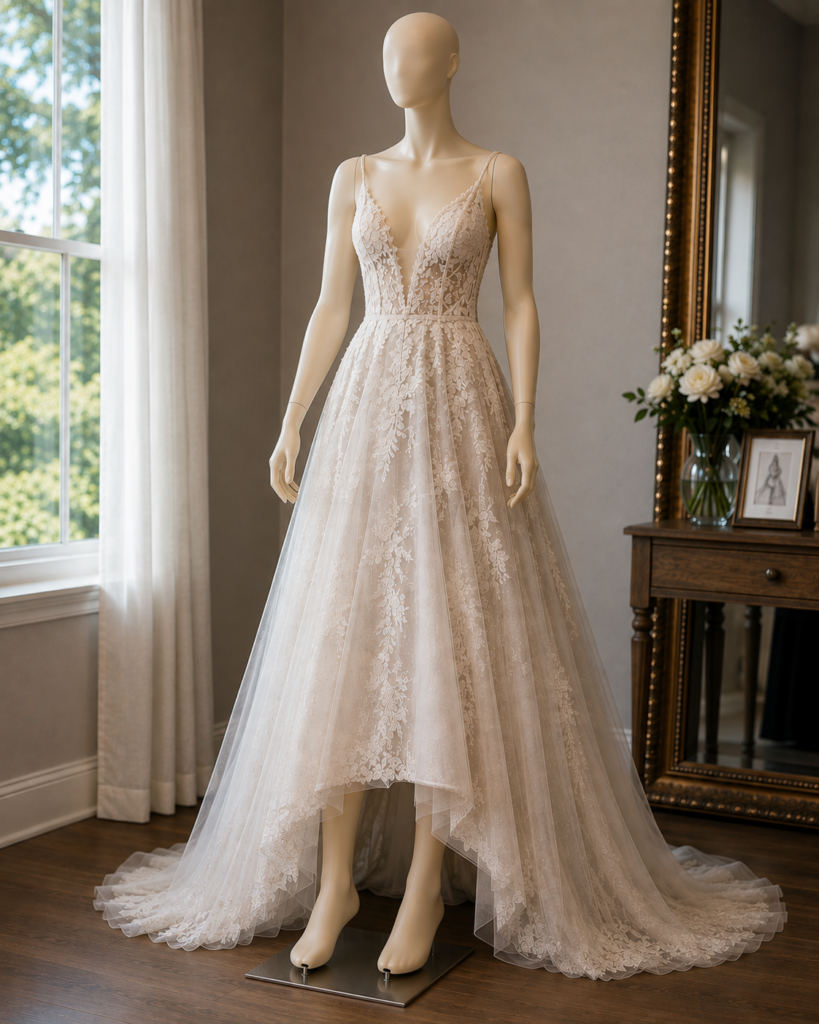
The retail industry has long been criticized for promoting unrealistic beauty standards through mannequins that depict one body type: slender, tall, and often Eurocentric. And, of course, none of them appeared to be over the age of 40 and none had any disabilities.
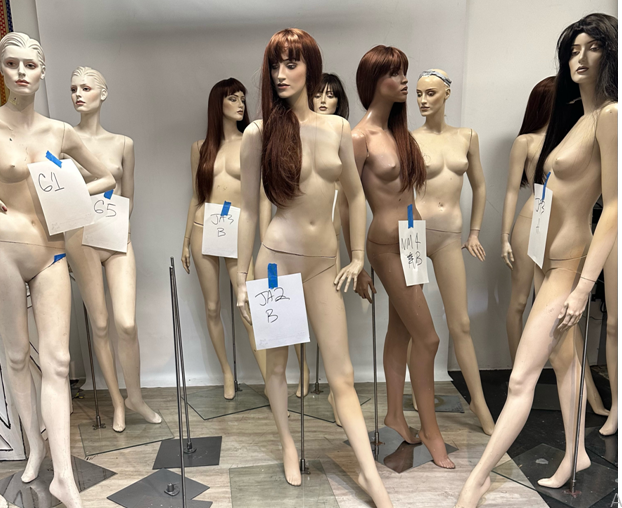
At Mannequin Madness, we have always offered a range of different-sized mannequins and mannequins of color, but retailers were reluctant to buy them.
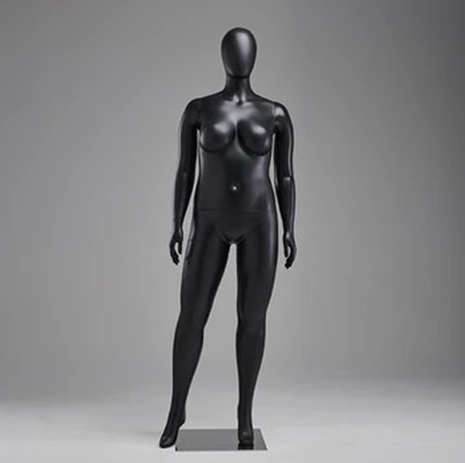
However, in recent years, brands have begun embracing more inclusive mannequins that celebrate diversity in size, shape, ability, and identity.
For decades, shoppers saw the same mannequin silhouette in every store: a statuesque, size-0 figure with an idealized waist-to-hip ratio. But as conversations around body positivity grew, brands like Nike, Target, and Old Navy began introducing mannequins that better represented their customer base.
Plus-size mannequins, maternity mannequins, and models with disabilities have started appearing in major retail stores, sending a visible message that all bodies are valued.
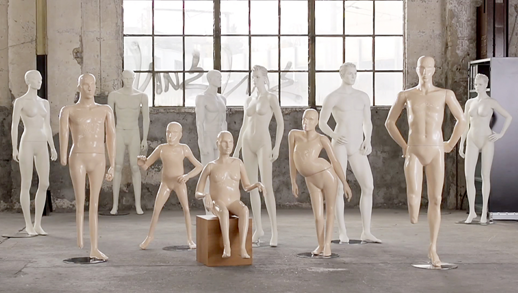
Seeing a mannequin that resembles one’s own body fosters a sense of belonging and boosts self-esteem. Studies show that more inclusive representation in fashion contributes to positive body image, making people feel seen rather than excluded.
Beyond Size: Expanding Diversity
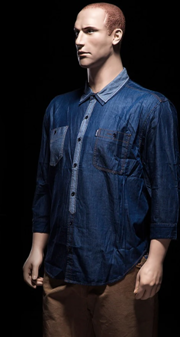
Inclusivity goes beyond body size – some retailers now feature mannequins with different skin tones, vitiligo, alopecia, or prosthetic limbs, helping normalize diverse appearances. These changes challenge outdated beauty standards and make fashion more accessible for all.
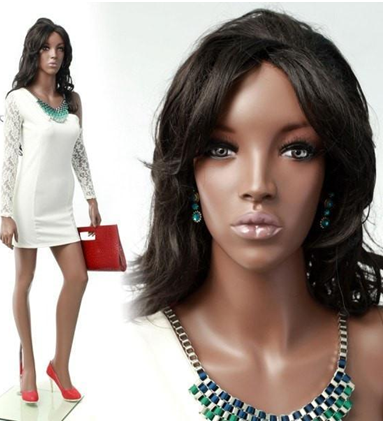
At MannequinMadness.com, we sell Big and Tall male mannequins, Plus-size female mannequins and dress forms, and African American mannequins.
I look forward to an era when most retailers will display some, if not all, inclusivity among their mannequins.
Visit our website to shop for mannequins and dress forms, rent display pieces, or recycle your old mannequins.