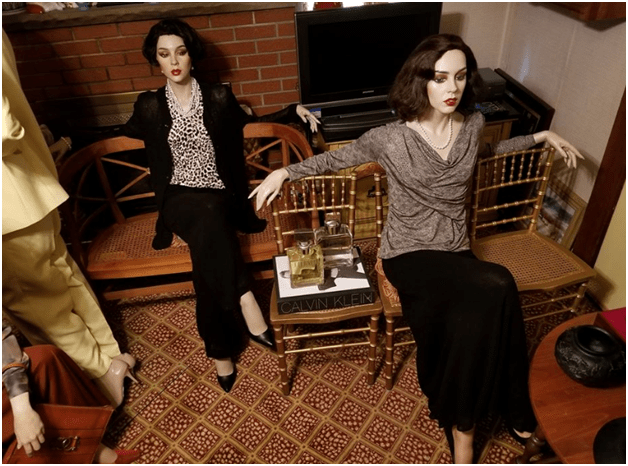
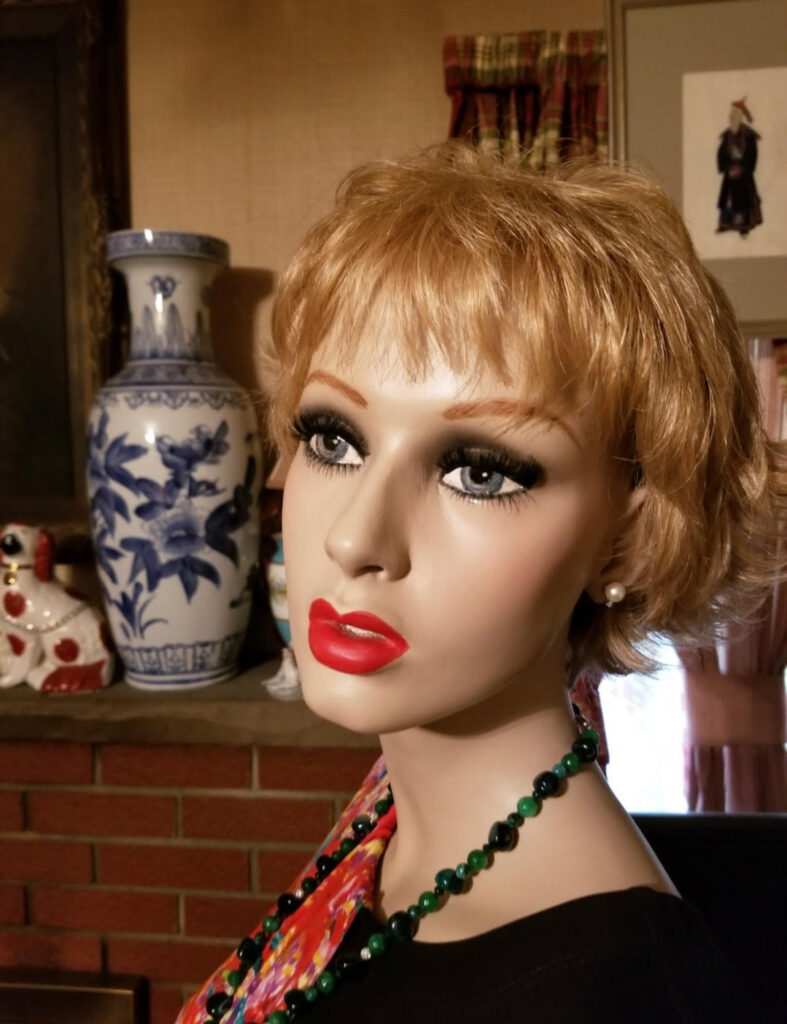
This is my series devoted to the real life models who became Rootstein mannequins. I have a client who has over 100 Rootstein mannequins in his collection and he has provided all the content for these posts.
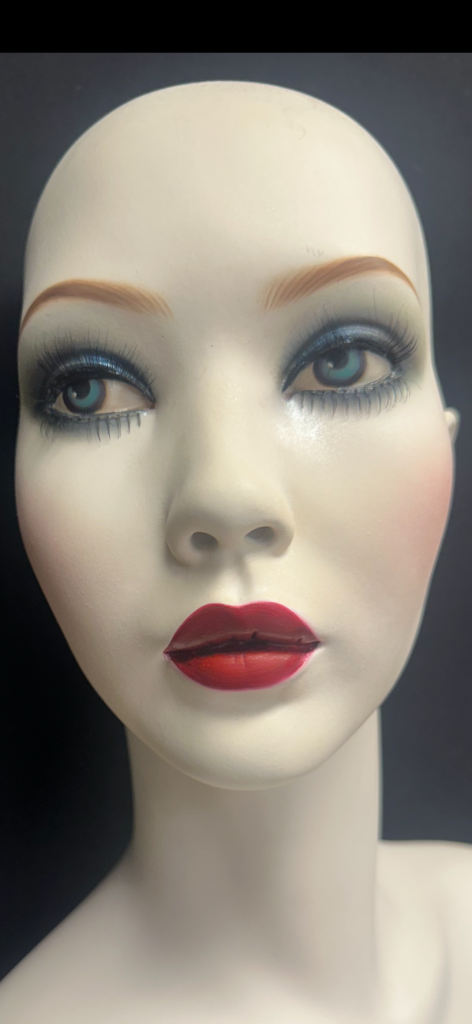
Initially we were not going to include this mannequin in the series because of her “secret past”. The secret is Angela has been whitewashed. Whitewashing a mannequin is the physical or cosmetic act of repainting a dark-skinned or Black mannequin with a lighter or Caucasian skin tone. This practice erases diverse representation in retail displays, reflecting historical biases where lighter skin was treated as the default standard.
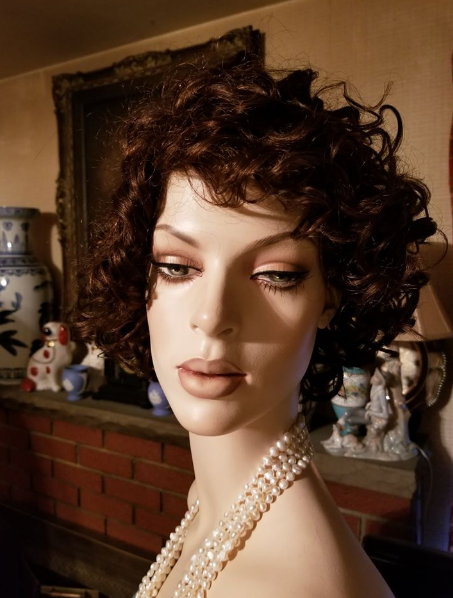
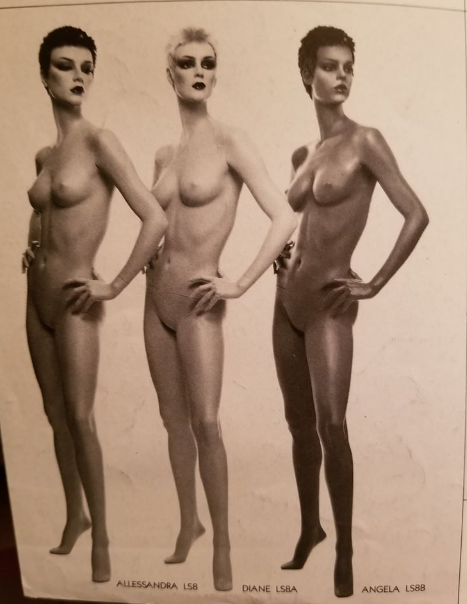
The photo below is what an Angela mannequin normally looks like. And sometimes she is a shade darker in many retail stores in urban areas such as Chicago, Detroit and D.C.
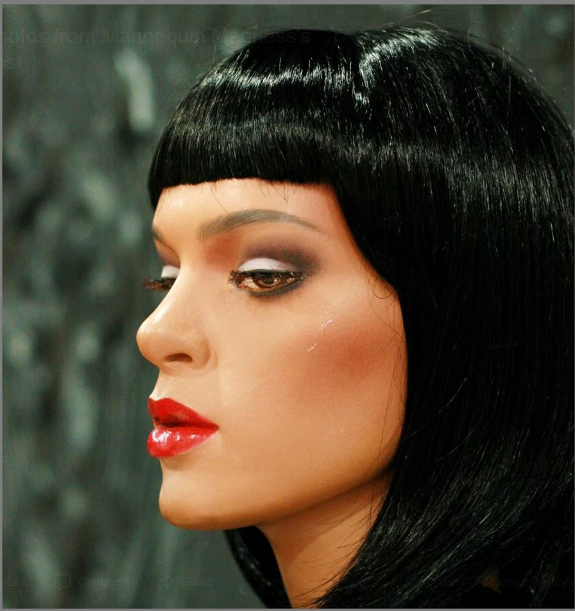
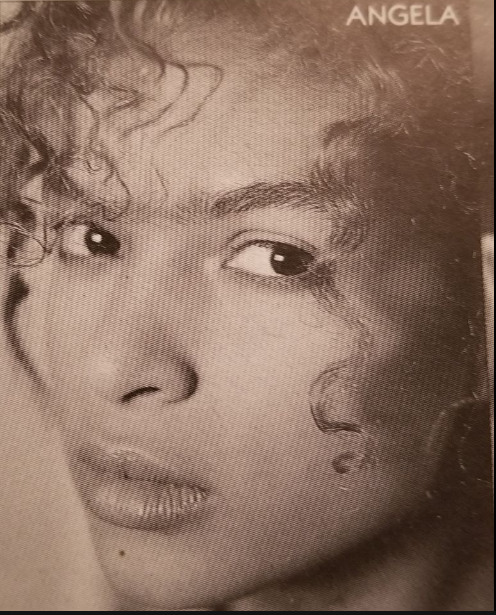
This is Angela in real life. Note the curly hair which is rarely seen on a African American mannequin.
There was a brief period of time after the civil rights movement in 1960’s when retailers felt the social pressure to place African American mannequins in their window displays. Prior to that you rarely saw and African Americans mannequins in the window, unless it was used as a prop to illustrate a racist stereotype.
Every department store in a city with a sizable African American population had at least one, sometimes two African American mannequins. To have more than 3 in the window was considered taboo. They wanted a token or two just to show representation, but no more than that.
Mannequins occupy a space of fantasy and aspiration and the fashion industry and society in general has narrowly defined that ideal as thin, tall, white, and Anglo.. So the unspoken rule in the industry was there should never be more African American mannequins in the window than white ones. Even in neighborhoods which are predominately Black.
When you travel to other counties like Asia, Brazil, Africa, Latin American where the dominate population is not white, the mannequins in the window displays will still be all white. Usually with blond hair and blue eyes.
On the far right is the image of Angela from the Rootstein catalogue.
Rootstein and other mannequin companies often manufactured African American mannequins in many of their collections – even prior to the civil rights movement. But that did not mean that retail stores purchased them.
When retailers no longer felt social pressure to include African American mannequins in their windows retailers would then repaint them to look Anglo. They still wanted to get a return on their mannequin investment – Rootstein mannequins cost more than other brands, so they did not want to throw them away.
Sometimes they would paint ALL the mannequins in their window a non human like color like a pale yellow. This way the mannequins had a uniform look, which was color blind. Mannequins that had ethnic looking features would not be as visit ally prominent when painted in such hues like the mannequin below.
Many of the African American mannequins that Rootstein produced were in unique poses. That is why you see more whitewashed versions of Billie Blair than any other mannequin on the planet. Her poses are iconic.
Although Angela’s pose is not as dramatic as Bilie’s, she is still a fan favorite for many retailers. Her full lips don’t give away the fact that she is African American, especially now that many Angio women are getting their lips enhanced to be fuller. The rest of her features are allow her to “pass” as white woman, especially if she is wearing a wig with straightened hair.
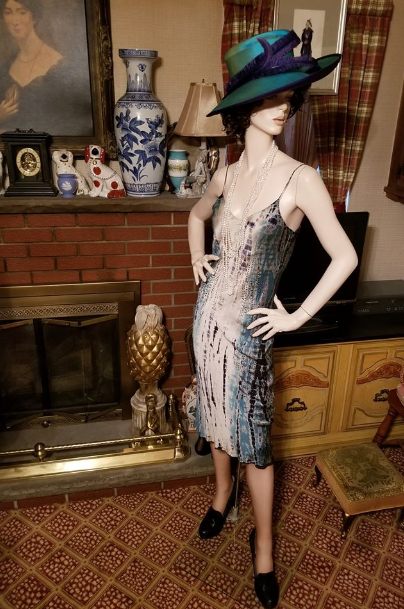
Painting a mannequin was a much cheaper option than buying a new one. If the mannequin was structurally intact and not needing any repairs, it just was no the “right” skin tone for the times, it was sent off to be painted.
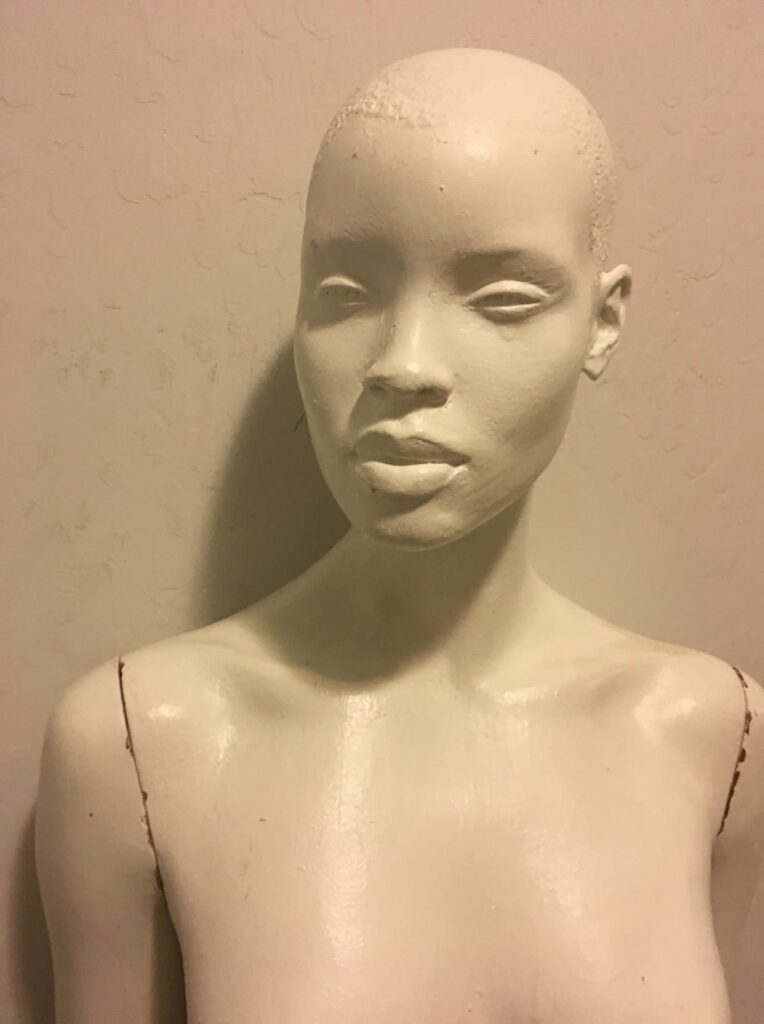
Ironically shortly after I started writing this series a woman sent me the photo of the mannequin below with the badly chipped paint. She had purchased her at a garage sale in Georgia and she knew it was a Rootstein and asked if I could identify which collection.
The paint jobs ranged from professional to horrid. Sadly, even Caucasian mannequin with a bad paint job was still a preferable option than having a fabulous looking African American mannequin with brown skin.

Guess what? It is another whitewashed Angela. See the darker skin tone trying to break free? This is the mannequin version of white woman getting a DNA test done and finding out to her chagrin that she has African American ancestry.
Downplaying the ethnicity of a mannequin, also happened with mannequins modeled after Asian. Their eyes were often widened. In the example below is catalogue image of the model whose face was the mannequin was based on. The mannequin looks value like her reali life counterpart.

Mannequins are more than just clothes hangers. They are reflections of society.
There’s more to this iconic mannequin company than meets the eye. Download our eBook for a richly illustrated look at the facts, history and lasting legacy of Rootstein mannequins.
Visit our website to shop for mannequins and dress forms, rent display pieces, or recycle your old mannequins.