The recent closure or downsizing of several renowned department store chains has caused me to feel nostalgic. Online shopping changed the retail shopping experience and caused the decline in shopping inside a store.
Don’t get me wrong, I like the convenience of shopping from my couch and having something delivered to my home within days in the color and size that I want. But I miss looking at visually interesting window displays filled with mannequins and props i.e. when window displays were like street theatre. Or, going inside a department store and seeing little vignettes of mannequins in each section.
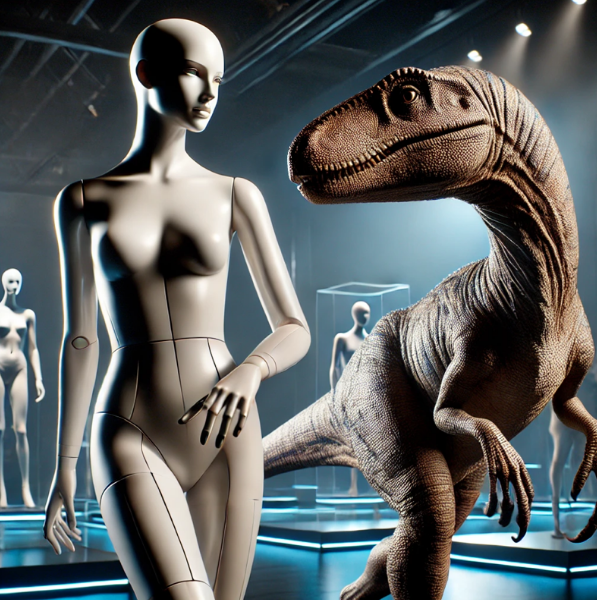
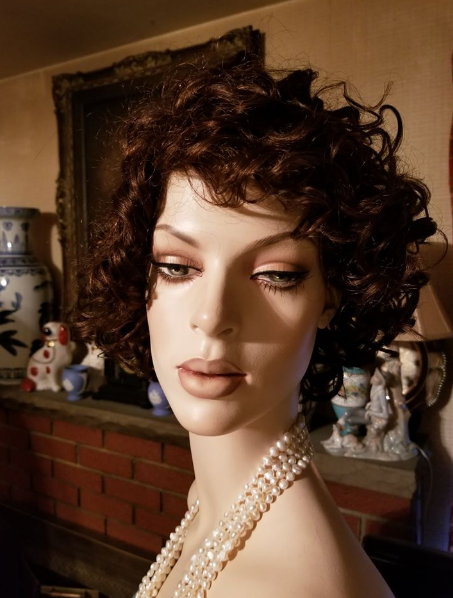
When I say mannequins, I mean the old style ones with realistic looking faces, eyelashes and wigs. Not the android-looking or headless mannequins of today.
My post on Facebook asking my followers if they thought mannequins were becoming like dinosaurs – something seen only in museums – elicited a lot of comments. Sadly, most people agreed that this seems to be the inevitable fate of realistic mannequins.
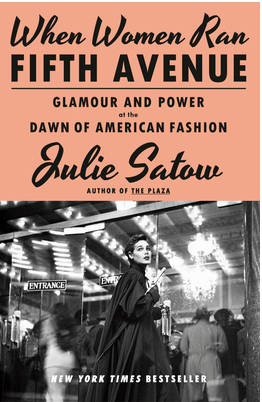
After reading the comments, I decided to lift my spirits by playing Cher’s hit song “If I Could Turn Back Time” and downloaded the New York Times bestseller “When Women Ran Fifth Ave” by Julie Satow. I needed a comforting reminder of how I used to feel about the retail industry. And since it is Women’s History Month, I wanted a woman’s perspective.
Here is a quick summary of the book…
A glittering portrait of the golden age of American department stores and of three visionary women:
1 In the 1930s, Hortense Odlum of Bonwit Teller went to her husband’s department store as a housewife tasked with attracting more shoppers like herself, and wound up running the company.
2 Dorothy Shaver of Lord & Taylor championed American designers during World War II –before which US fashions were almost exclusively Parisian copies — becoming the first businesswoman to earn a $1 million salary.
3 And, in the 1960s, Geraldine Stutz of Henri Bendel re-invented the look of the modern department store. With a preternatural sense for trends, she inspired a devoted following of ultra-chic shoppers as well as decades of copycats.
Sadly, all three of those retail stores are either no longer in existence or a shell of their former life. Nothing lasts forever.
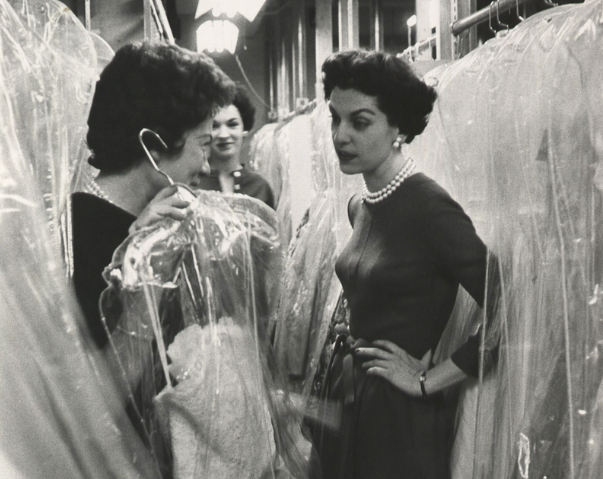
While the book centers on these three women specifically it also includes mini profiles from other women leaders in the retail industry including my personal favorite, Adel Rootstein.
Adel is the founder of the Rootstein mannequins, the business which, at one time, was considered the Rolls Royce of mannequins. Her mannequin company had a huge impact on revolutionizing the look of window displays at fashion retailers.
Back in 2001, when I entered the mannequin industry, I didn’t know the difference between mannequin brands. But when I recycled mannequins from a Ralph Lauren store, I recognized right away that there was something different about these mannequins compared to the ones I had acquired from Sears. The Ralph Lauren mannequin were made by Rootstein.
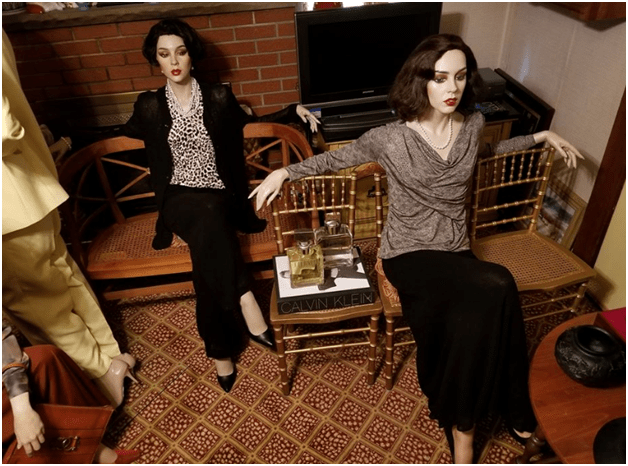
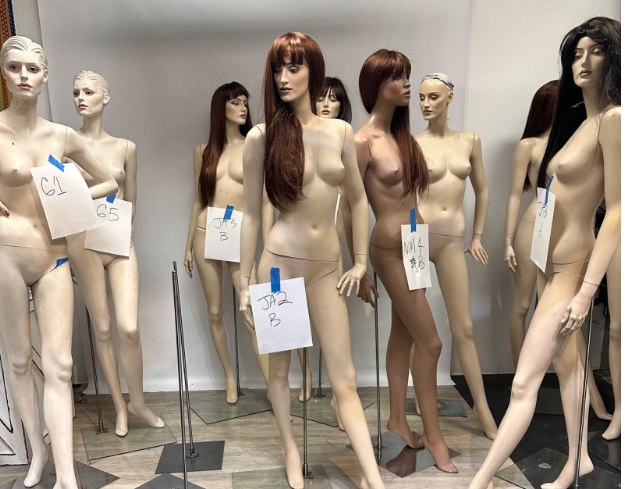
Below are examples of Rootstein mannequins. We acquired these from Bloomingdales in SF when they closed in 2024.
Shortly after I posted the Rootstein mannequins from Ralph Lauren on our website, I received a phone call from an executive at Prada (in Italy, not NYC) asking to buy them. This was before we had an e-commerce website, so the transaction was handled by phone.
Prada wanted the mannequins right away, and, if they ordered them directly from Rootstein, there would be a long wait for them to be produced. Plus I was selling the mannequins at a fraction of what they would cost brand new. Everyone wants a bargain price for their supplies, even luxury retailers.
This was a turning point for our business AND I became hyperfocused on Rootstein mannequins. I became such a fan of the company and the founder, I wrote an Ebook on the subject which you can download for free here
I am beginning to wonder if I am in an industry that is on its last legs – yes, pun intended. Mannequins are used the most now are not in retail stores, but for craft projects. People turn them into lamps, tables, mosaic art etc. That is why I created the Facebook Group – Crafty Fun With Mannequins, a web page where people can showcase their crafty projects and be inspired by others.
Perhaps I am wrong, and 20 or 30 years from now, people will be nostalgic for the department store experience. I hope so.
If you want to learn more about this iconic mannequin company, download our free Ebook filled with facts, history and imagery about the legend and legacy of Rootstein mannequins.
Visit our website to shop for mannequins and dress forms, rent display pieces, or recycle your old mannequins.